
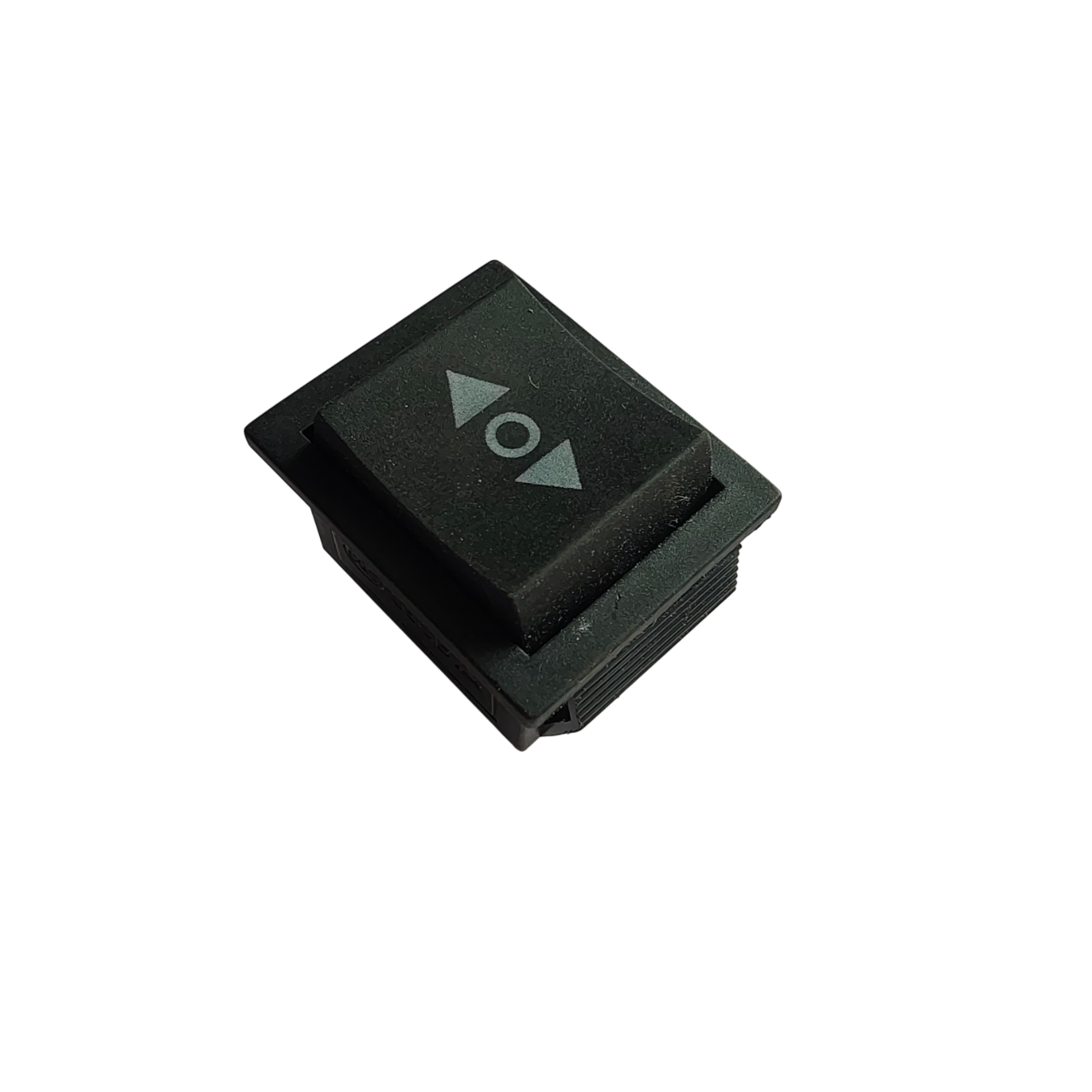
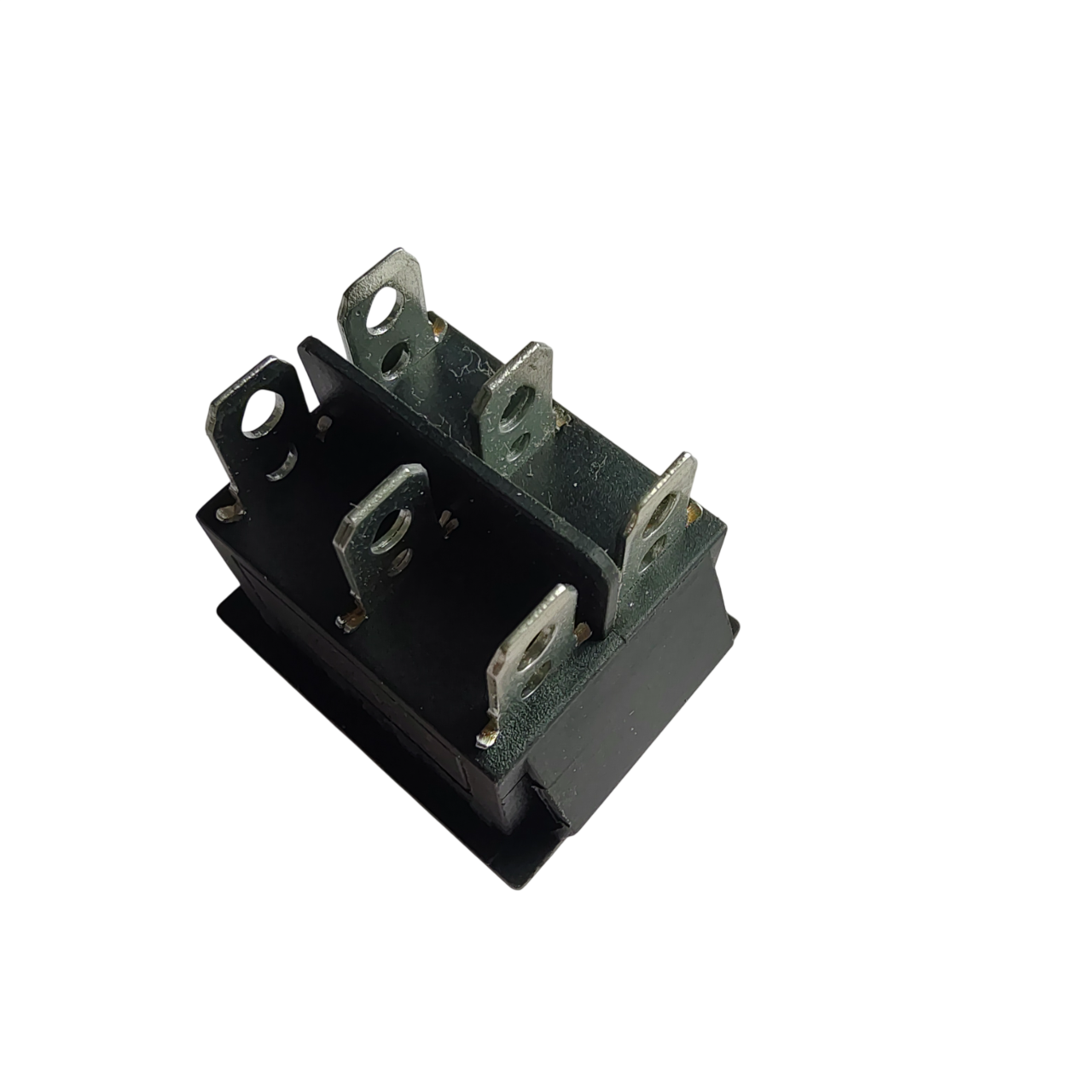
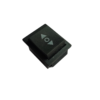
DPDT Switch 6 Leg for Wired Robot/ Car Remote
₹41.30 incl. GST (₹35.00 + GST)
The DPDT 6-Pin Switch is a durable, spring-loaded ON-OFF-ON switch designed for reversing DC motor direction. It is ideal for wired robots, RC vehicles, motor control, and DIY automation projects, supporting simple forward/off/reverse operation.
DPDT (Double Pole Double Throw) Switch
Product Description
The DPDT (Double Pole Double Throw) Switch is a 6-pin spring-loaded rocker switch designed for controlling the direction of DC motors. By wiring the switch in a cross-polarity configuration, it can reverse the motor’s polarity, allowing the motor to rotate in forward or reverse directions.
It is commonly used in wired robot controllers, school robotics projects, RC vehicles, motor control systems, and DIY automation projects.
Forward & Reverse Motor Control
The DPDT switch uses six terminals arranged into two poles with three positions. In an ON-OFF-ON configuration, the center position disconnects the motor, while the two outer positions provide opposite polarity to the motor.
This makes it a simple manual solution for controlling one DC motor in both directions without requiring a microcontroller or motor-driver circuit.
Spring-Loaded Operation
The switch is designed with a spring-loaded action, providing a clear switching response and convenient manual motor control. Its panel-mount design allows it to be installed into suitable robot controllers, enclosures, and control panels.
Key Features
- DPDT motor reversing switch
- 6 terminals
- ON-OFF-ON center-off configuration
- Spring-loaded rocker action
- Controls forward and reverse motor direction
- Suitable for DC motor polarity reversal
- Panel-mount design
- Durable metal terminals
- Suitable for wired robot controllers
- Compatible with many hobby DC motor applications
Technical Specifications
| Feature | Specification |
|---|---|
| Type | DPDT Spring Loaded |
| Pins | 6 Pins |
| Action | ON-OFF-ON |
| Function | Forward / Off / Reverse |
| Maximum Voltage | 250V AC / 12V DC |
| Maximum Current | 6A – 10A |
| Colour | Black Body |
| Mounting | Panel Mount |
Working Principle
The DPDT switch changes the polarity supplied to the motor. With suitable cross-wiring, one switch position applies positive and negative voltage in one direction, while the opposite position reverses the polarity.
The center position disconnects the motor, providing an OFF state.
Motor Reversing Wiring
For the cross-wired configuration:
- Connect Battery Positive (+) to Pin 3.
- Connect Battery Negative (-) to Pin 4.
- Connect Pin 1 to Pin 6.
- Connect Pin 2 to Pin 5.
- Connect the motor wires to Pin 1 and Pin 2.
Always verify the actual terminal layout of the switch before wiring, as pin arrangement can vary between product versions.
Typical Application Scenarios
Wired Robots
Suitable for controlling forward and reverse movement in school and hobby robots.
RC Vehicles
Can be used for manual motor direction control in suitable DIY vehicle projects.
Motor Control
Useful for reversing the direction of DC motors, actuators, and mechanical systems.
DIY Automation
Suitable for manual control of small motorized mechanisms.
Applications
- Wired robot controllers
- DIY RC cars
- DC motor direction control
- Robotics projects
- Motorized mechanisms
- Automation systems
- Educational projects
- Polarity reversing circuits
- Custom control panels
- Hobby electronics
Product Disclaimer
Product specifications may vary between manufacturers and production batches. Please verify the actual switch rating, terminal layout, and dimensions before installation.
Product images are for illustrative purposes only and may differ from the actual product in colour, finish, or appearance.
Important Note
Current Rating
Do not exceed the switch’s rated voltage or current. Motor startup and stall currents can be significantly higher than normal operating current.
Wiring Safety
Disconnect the power supply before wiring or modifying the circuit. Confirm the terminal configuration before applying power.
Recommended Related Products
Explore relevant alternatives and complementary products selected from the full Robosap catalogue.
- 4 Switch Box for DPDT switch
- 2 Switch Box for DPDT switch
- 2WD DIY Aluminum Alloy Smart Robot Car Chassis Kit – Purple Colour
- 2Wd Aluminum Smart Robot Car Chassis
- 4WD Aluminum Alloy Smart Robot Car Chassis – 1.5mm Rigid Base
- 4-wheel Robot Smart Car Chassis Kits Car Model with Speed Encoder for Arduino
Only logged in customers who have purchased this product may leave a review.


Reviews
There are no reviews yet